Table of Contents
In today’s digital business environment, protecting company data and IT systems is essential. Businesses rely on computers, email, cloud applications, and office networks to manage daily operations. However, weak passwords, outdated software, and suspicious emails can expose these systems to cybersecurity risks.
Whether you run a small business, a growing startup, or an established company in Delhi NCR, improving your business IT security doesn’t have to be complicated. A few practical steps can help protect sensitive information, reduce avoidable risks, and support smoother business operations.
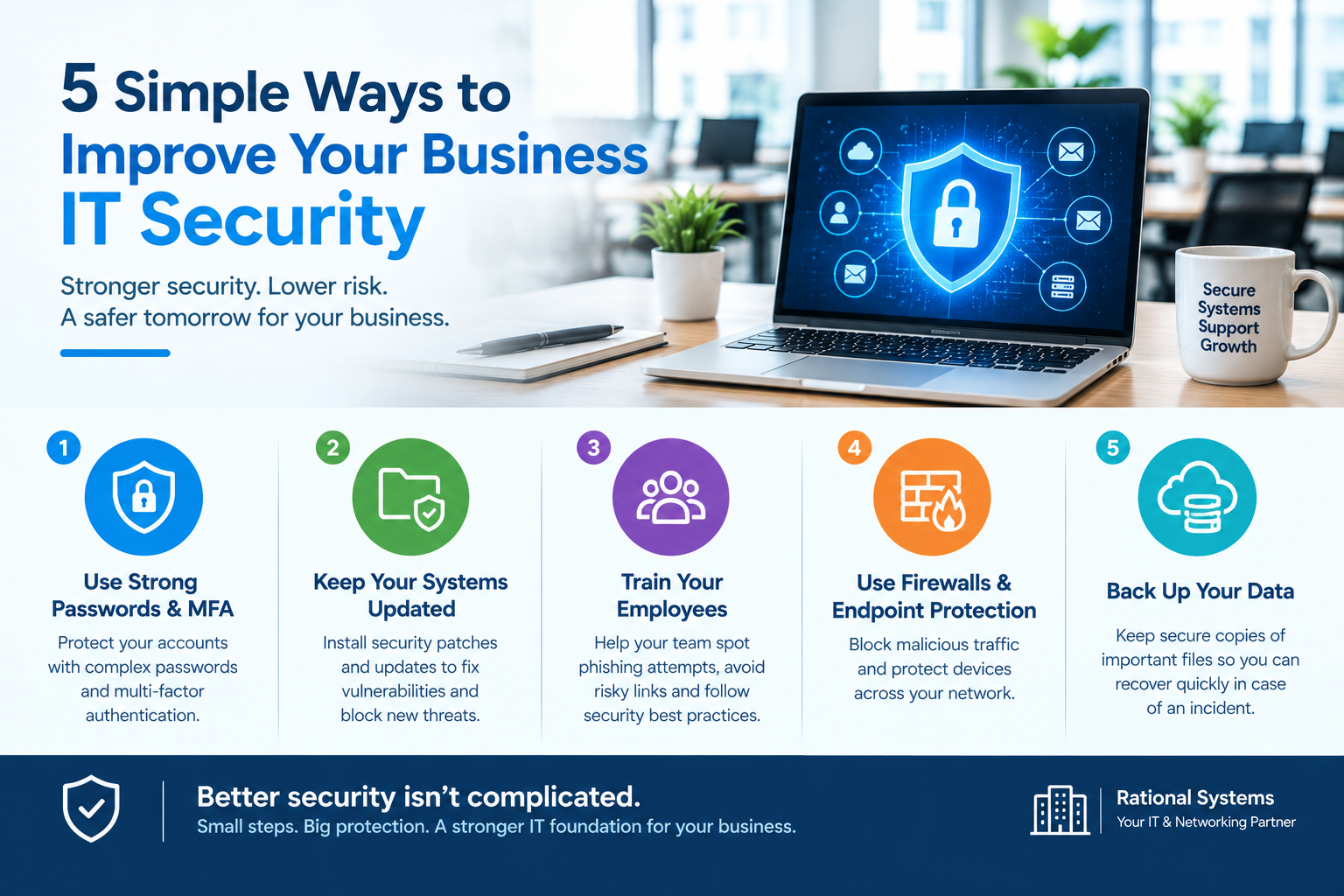
1. Use Strong Passwords and Multi-Factor Authentication
Weak or reused passwords can make business accounts easier to compromise. Employees should use unique, strong passwords for email accounts, business applications, and administrative systems.
Consider using a reputable password manager to create and store passwords securely. Enable multi-factor authentication (MFA) wherever possible, especially for email, cloud platforms, remote access, and administrator accounts.
MFA adds another layer of protection by requiring an additional verification step beyond a password.
2. Keep Your Software and Systems Updated
Outdated operating systems, applications, and network devices may contain security vulnerabilities that attackers can exploit.
Make software updates part of your regular IT maintenance routine. Enable automatic updates where appropriate, install security patches promptly, and ensure that business computers use supported operating systems.
Businesses should also review routers, firewalls, and other network equipment periodically to confirm that firmware and security settings are maintained.
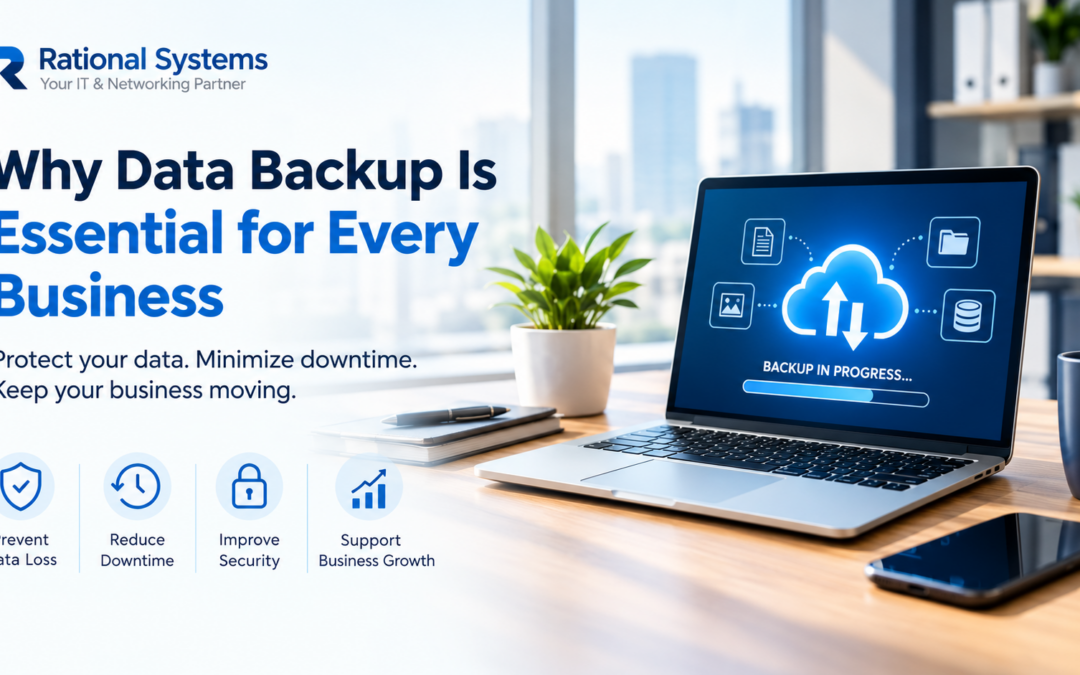
3. Back Up Important Business Data Regularly
Data loss can disrupt business operations and affect customer service. Hardware failures, accidental deletion, ransomware, and other incidents can make important files inaccessible.
Create a regular backup schedule for critical documents, financial records, customer information, and operational data. Keep backup copies protected from unauthorized access, and consider maintaining an isolated or offline copy.
Most importantly, test your backups periodically. A backup strategy is only useful if your business can successfully restore its data when needed.
4. Train Employees to Recognize Cybersecurity Threats
Cybersecurity is not only a technical responsibility. Employees also play an important role in protecting company systems.
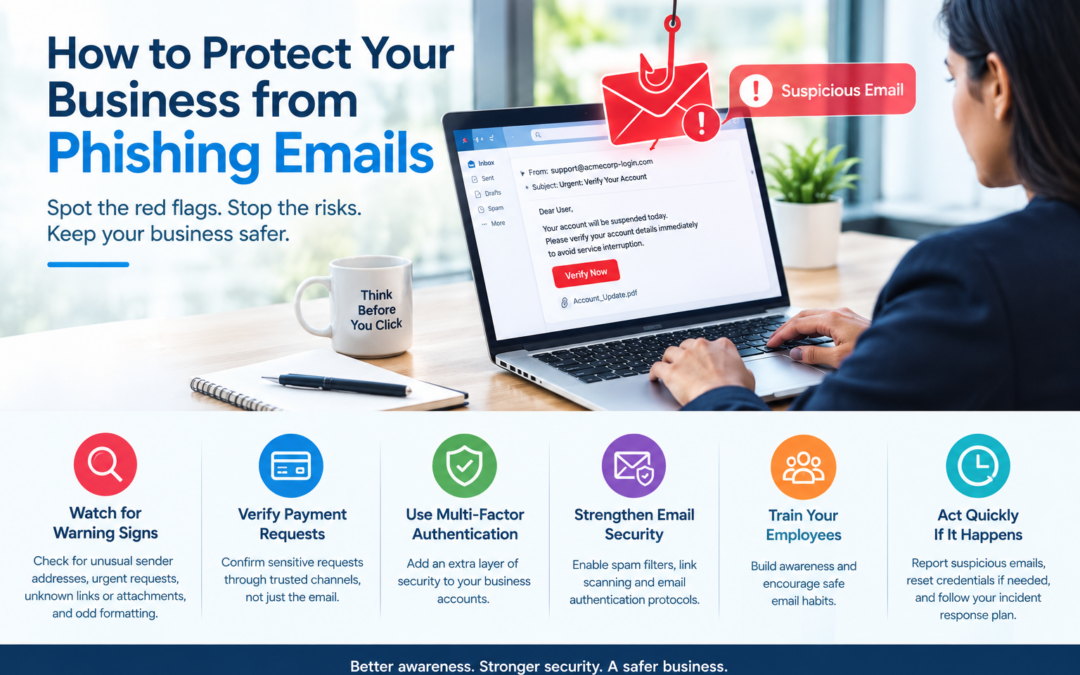
Phishing emails may imitate banks, suppliers, colleagues, or service providers to trick recipients into sharing credentials or opening malicious attachments.
Help your team recognize warning signs, including unexpected requests for payments, unusual sender addresses, suspicious links, and urgent requests for confidential information.
Establish a simple process for reporting suspicious messages. Employees should verify unusual payment instructions or changes to supplier bank details through a trusted, separate communication channel.
5. Secure Your Office Network and Business Devices
A poorly secured office network can expose connected computers, printers, and other devices to unnecessary risks.
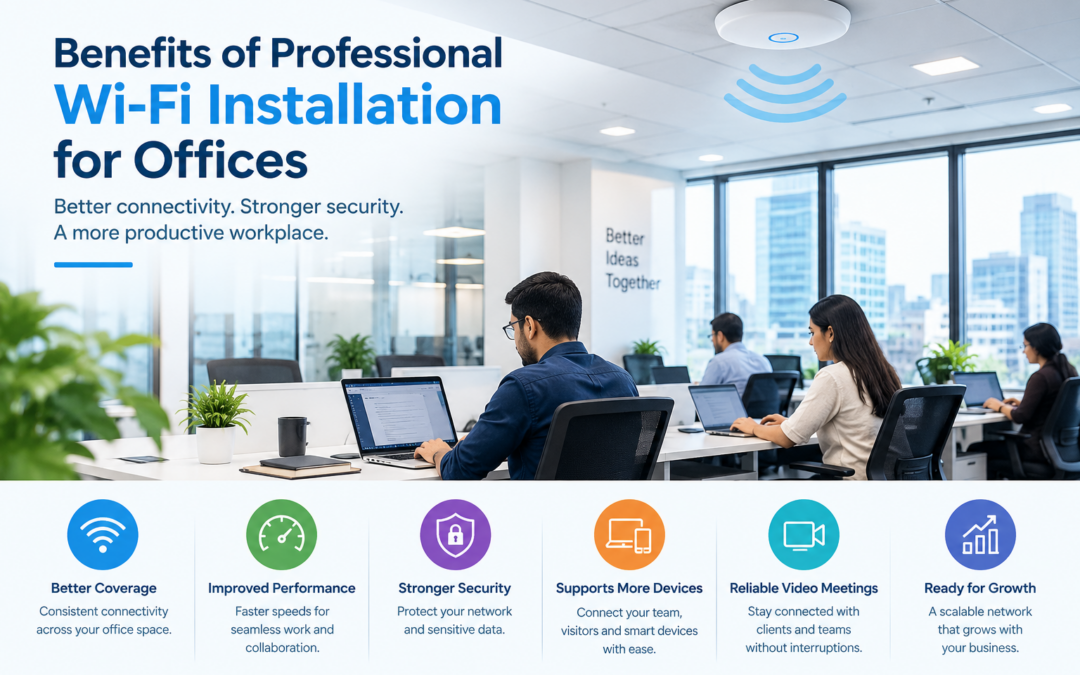
Use a properly configured firewall, secure Wi-Fi with modern encryption, and change default administrator credentials on network equipment. Where practical, separate guest Wi-Fi from internal business systems.
Restrict access to sensitive information based on employees’ job responsibilities. Remove access when staff leave the organization, and use secure remote-access solutions when employees need to connect from outside the office.
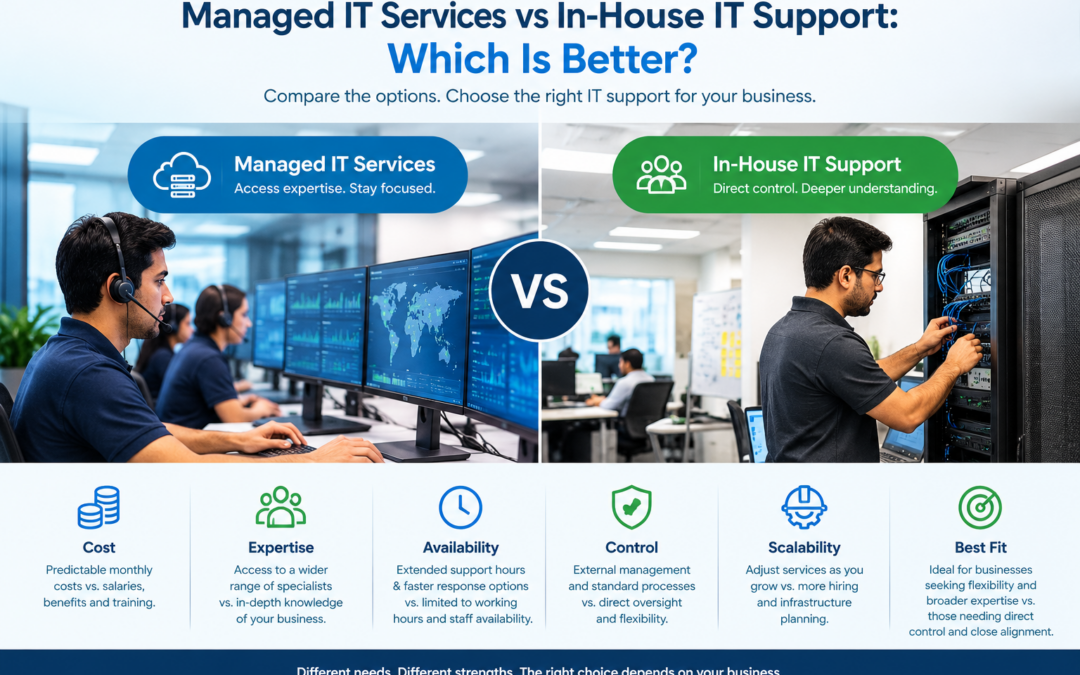
For businesses without dedicated IT teams, professional IT support can help assess network configurations, identify security gaps, and establish appropriate controls.
Conclusion
Improving business IT security starts with consistent, practical measures. Strong passwords, timely updates, reliable backups, employee awareness, and secure networks can help businesses reduce common cybersecurity risks.
Regular IT reviews can also help identify weaknesses before they develop into larger operational problems. By making security part of everyday business management, organizations can better protect their data, employees, and customers.
Looking to strengthen your business IT security?
Rational Systems can help your business explore IT support, networking, and technology solutions suited to its operational needs. Visit rational.co.in to learn more about our services and discuss your IT requirements.
Protect your business today by making cybersecurity a priority.