Table of Contents
Modern businesses depend on technology to manage daily operations, communicate with customers, store important information, and support employees. However, computers, servers, networks, and software require regular attention to work reliably.
Without proper maintenance, small technical issues can develop into larger problems, causing unexpected downtime, data loss, and interruptions to business activities. This is why IT maintenance services are important for businesses of all sizes, from small offices to growing enterprises across Delhi NCR and India.
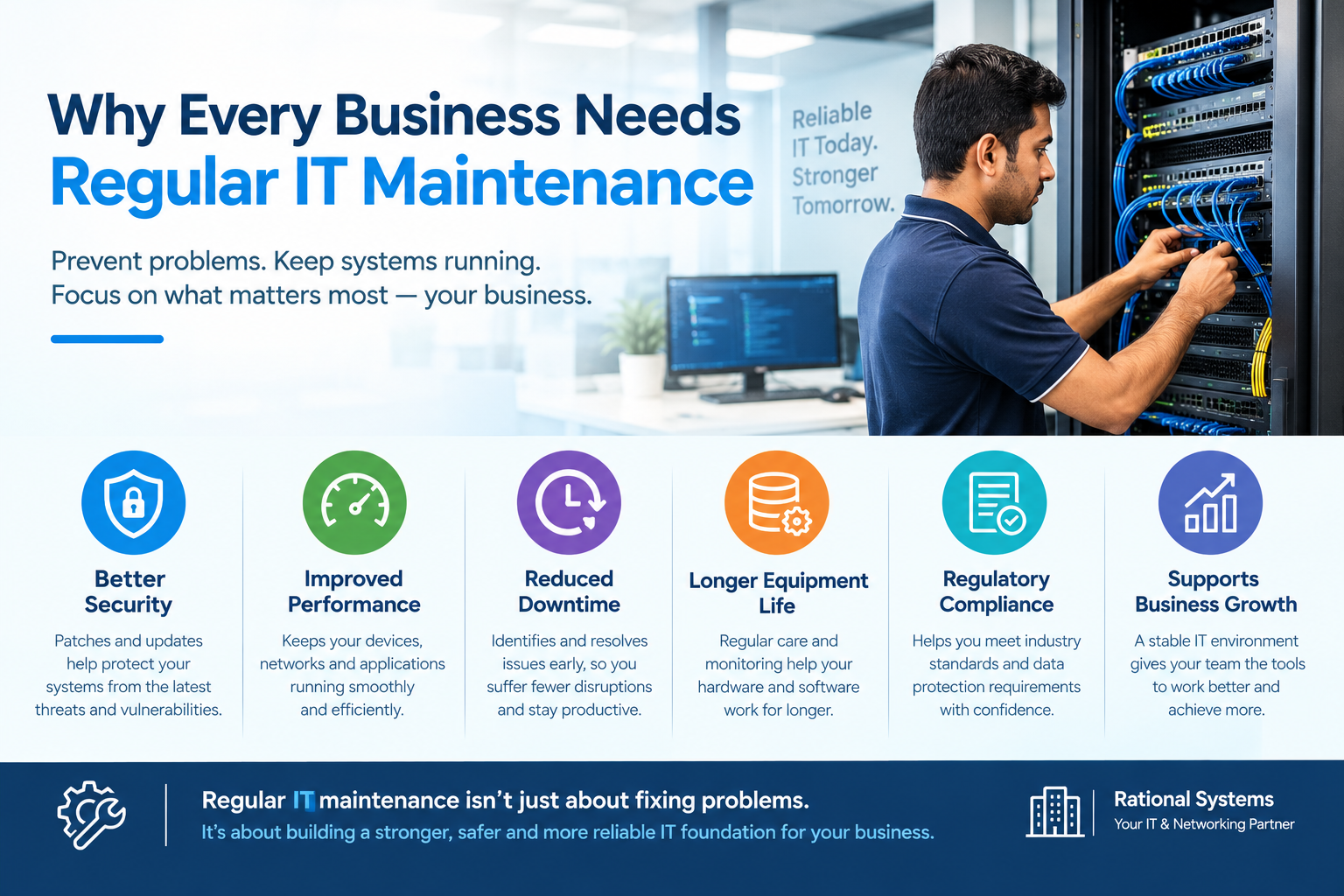
Regular IT maintenance helps organizations keep their systems updated, identify potential issues, and maintain a more reliable working environment.
1. Reduce Unexpected IT Downtime
Unexpected computer failures, network problems, and software errors can interrupt daily business operations. Employees may struggle to access files, communicate with colleagues, or serve customers when essential systems stop working.
Regular maintenance helps identify warning signs before they lead to major disruptions.
For example, checking hardware health, monitoring network performance, reviewing system logs, and resolving recurring technical errors can help reduce avoidable downtime.
A planned maintenance schedule also allows businesses to arrange updates and repairs at convenient times instead of dealing with every issue as an emergency.
2. Improve Cybersecurity and Protect Business Data
Cybersecurity threats continue to evolve, making it important for businesses to maintain their IT infrastructure properly.
Regular IT maintenance can include installing security patches, updating antivirus software, reviewing user permissions, and checking firewall configurations. These activities help address known vulnerabilities and strengthen existing security controls.
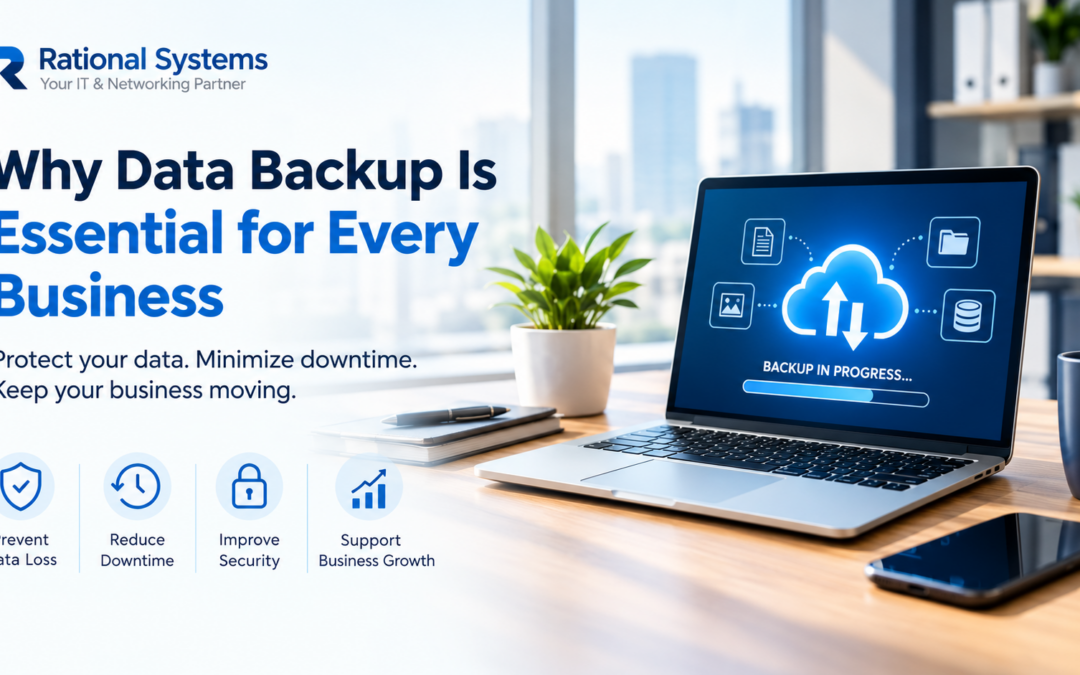
Businesses should also maintain regular data backups and periodically test their ability to restore important files.
For companies handling customer information, financial records, or confidential documents, maintaining secure and updated systems is an important part of responsible business management.
3. Improve Computer and Network Performance
Slow computers and unreliable networks can affect employee productivity. Applications may take longer to load, file transfers may become inefficient, and video meetings may experience interruptions.
Routine maintenance helps identify possible causes, such as insufficient storage space, outdated software, unnecessary startup applications, hardware problems, or network configuration issues.
IT professionals can assess these problems and recommend suitable solutions based on the business’s requirements.
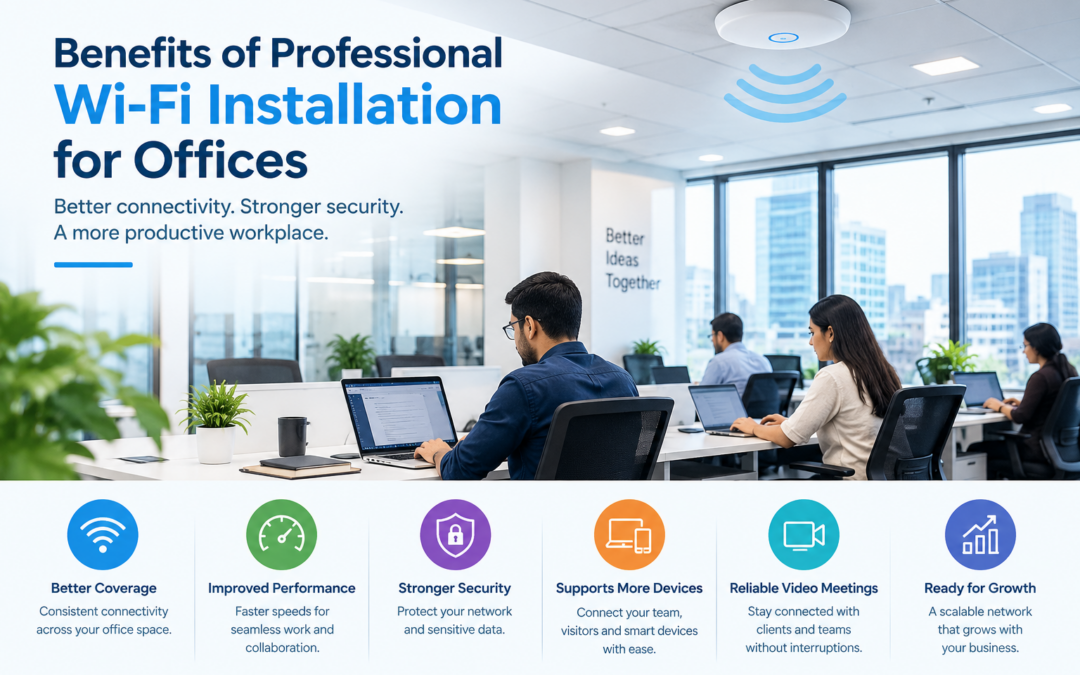
For offices in Delhi NCR, where teams often rely on shared networks, cloud applications, and connected devices, maintaining reliable IT systems can support smoother daily operations.
4. Extend the Useful Life of IT Equipment
Replacing computers, servers, and networking equipment can require a significant investment. Proper maintenance helps businesses get more value from their existing technology.
Useful maintenance activities include:
- Checking hardware health and ventilation.
- Keeping operating systems and applications updated.
- Monitoring storage capacity and device performance.
- Inspecting cables, routers, switches, and other network equipment.
- Identifying aging equipment that may need repair or replacement.
Although maintenance cannot prevent every hardware failure, it can help businesses identify developing issues and plan replacements more effectively.
5. Control IT Costs Through Better Planning
Emergency repairs, unexpected equipment replacements, and prolonged downtime can create unplanned expenses.
With regular IT maintenance services, businesses can identify recurring problems, prioritize upgrades, and budget for future technology requirements.
A maintenance plan may include scheduled system checks, software updates, backup reviews, network assessments, and technical support.
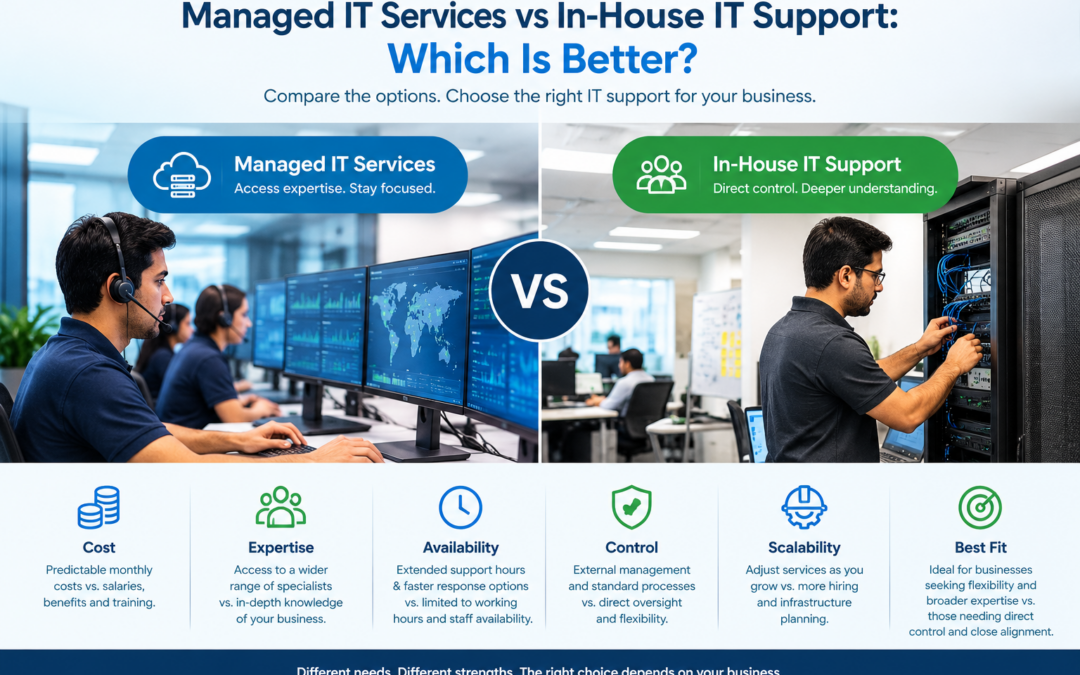
Small businesses without an in-house IT department can consider outsourced IT support to access technical expertise without building a full internal team. The right arrangement depends on the company’s size, infrastructure, budget, and support requirements.
How Often Should Your Business Schedule IT Maintenance?
The ideal schedule depends on the complexity of your IT environment and the importance of your systems.
As a practical starting point, businesses can review security alerts and backups frequently, install critical updates promptly, conduct routine system and network checks monthly, and perform a broader IT review periodically.
Critical systems may require continuous monitoring or more frequent checks. A qualified IT professional can help establish an appropriate maintenance schedule.
Conclusion
Regular IT maintenance is an essential part of keeping business technology reliable, secure, and productive. From reducing avoidable downtime to improving network performance and planning technology expenses, preventive maintenance helps businesses manage IT challenges more effectively.
Rather than waiting for systems to fail, businesses should take a proactive approach to maintaining their technology.
Looking for dependable IT support for your business?
Rational Systems can help you explore IT support, networking, and technology solutions suited to your business needs. Visit rational.co.in to learn more about our services and discuss your IT maintenance requirements.
Invest in proactive IT maintenance today to help your business operate with greater confidence.